
Honoring service. Translating it into leadership.
With heart, always.
Evidence-based, trauma-informed leadership work with PTSD, CPTSD, and reintegration — combined with corporate experience to bridge two worlds that rarely speak the same language.
Available for veteran organizations, military associations, government agencies, and corporations building veteran leadership pipelines.
Trauma-Informed Practice
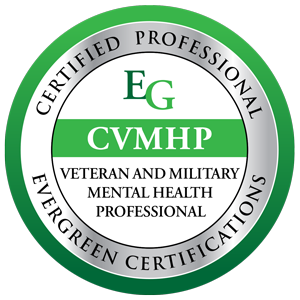
EMDR-trained, CSTIP-certified clinical work for veterans and their families.
Reintegration Support
Programs designed for the transition from service into civilian and corporate life.

Civilian Leadership Bridge
Translating military leadership patterns into civilian organizational language.
Programs built for the realities of service.
From keynote stages to retreat tents, from the therapy room to the kitchen table — meeting veterans and their families where the healing actually happens.
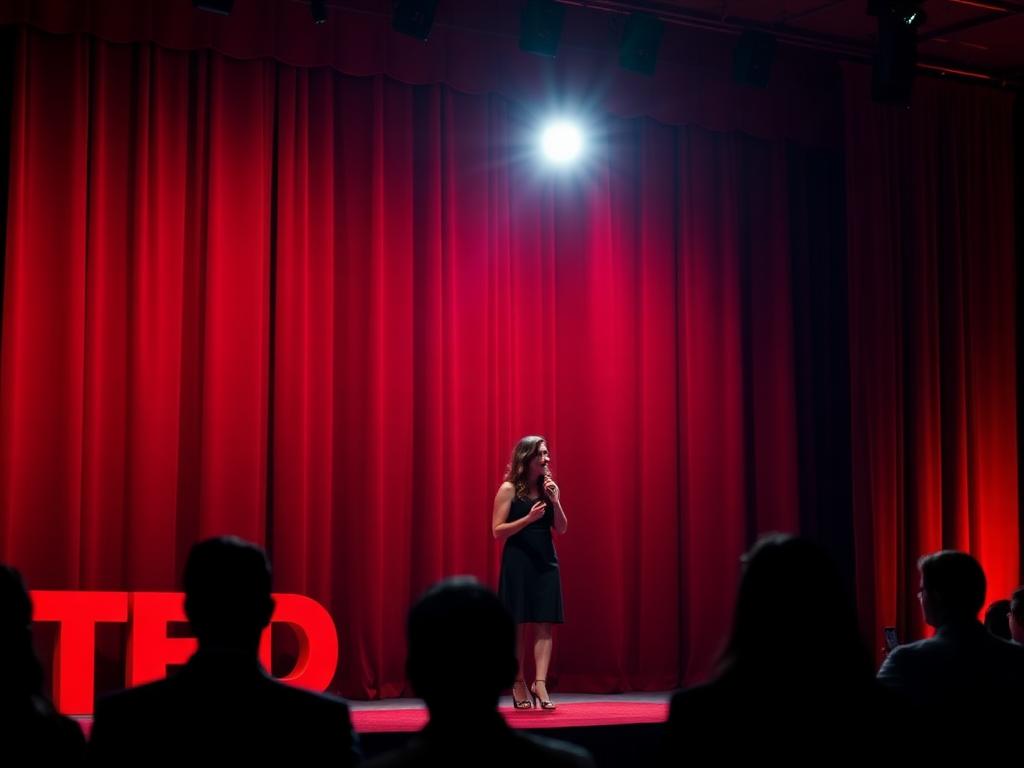
Keynote Speaking
Veteran mental health, post-service identity, and the hidden cost of homecoming — for conferences, military events, and corporate stages.
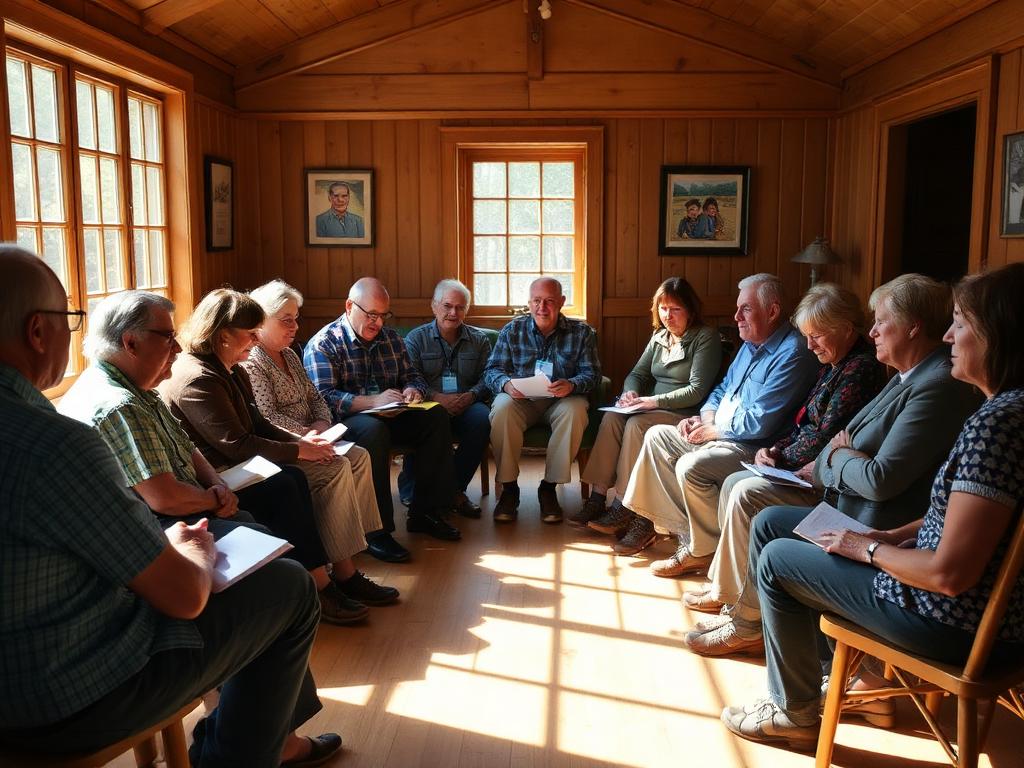
Workshops
Half-day and full-day formats for veteran organizations, units, and family programs — clinical depth, plain language.
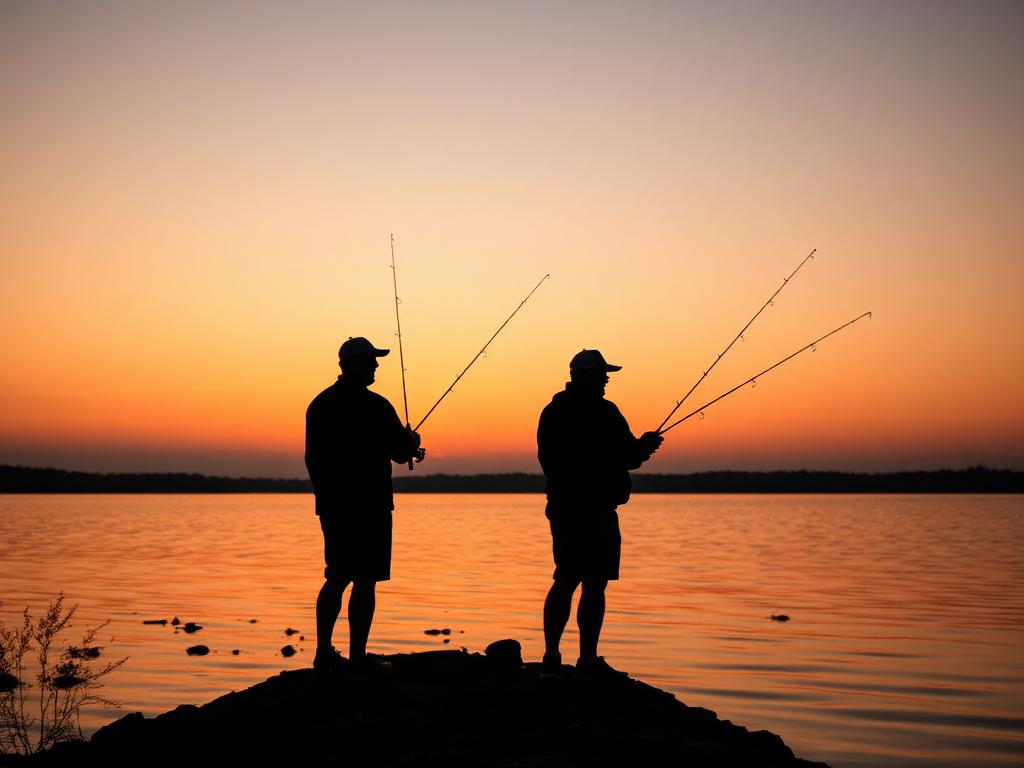
EMDR Intensive Retreats
Retreat-style and half-day EMDR formats designed for Honor the Brave–type events, fishing retreats, and brotherhood gatherings.
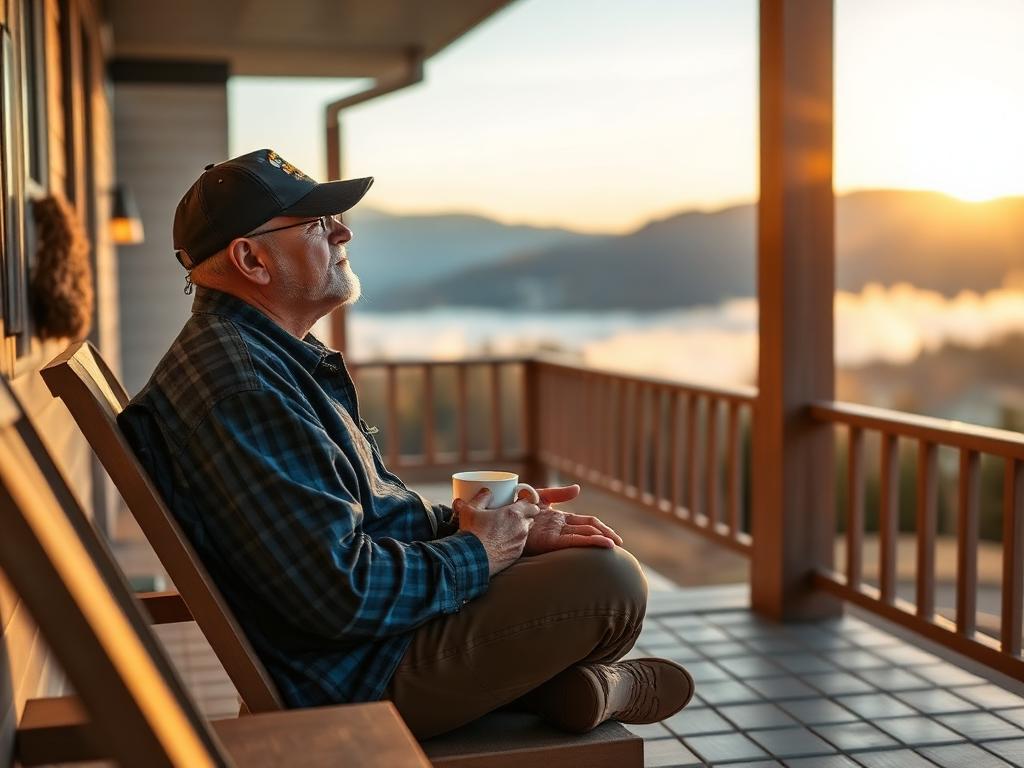
Meditation & Mindfulness
Nervous-system-first practices built for veterans — no incense, no fluff. Tools that work in the truck, the deer blind, and at 3 a.m.

Individual Therapy
EMDR and trauma-focused work for PTSD, CPTSD, moral injury, TBI-related struggles, and reintegration.
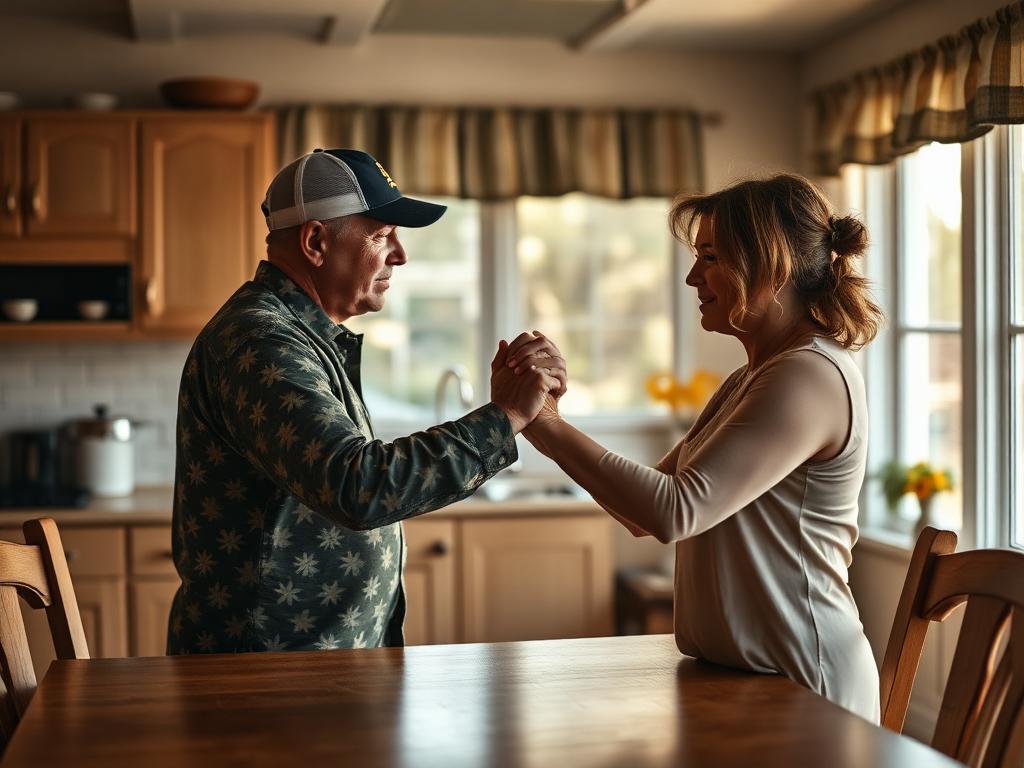
Couples & Family Therapy
Because the injury didn't only happen to one person. Healing the relationships that carry the weight alongside the veteran.
Signature workshop themes
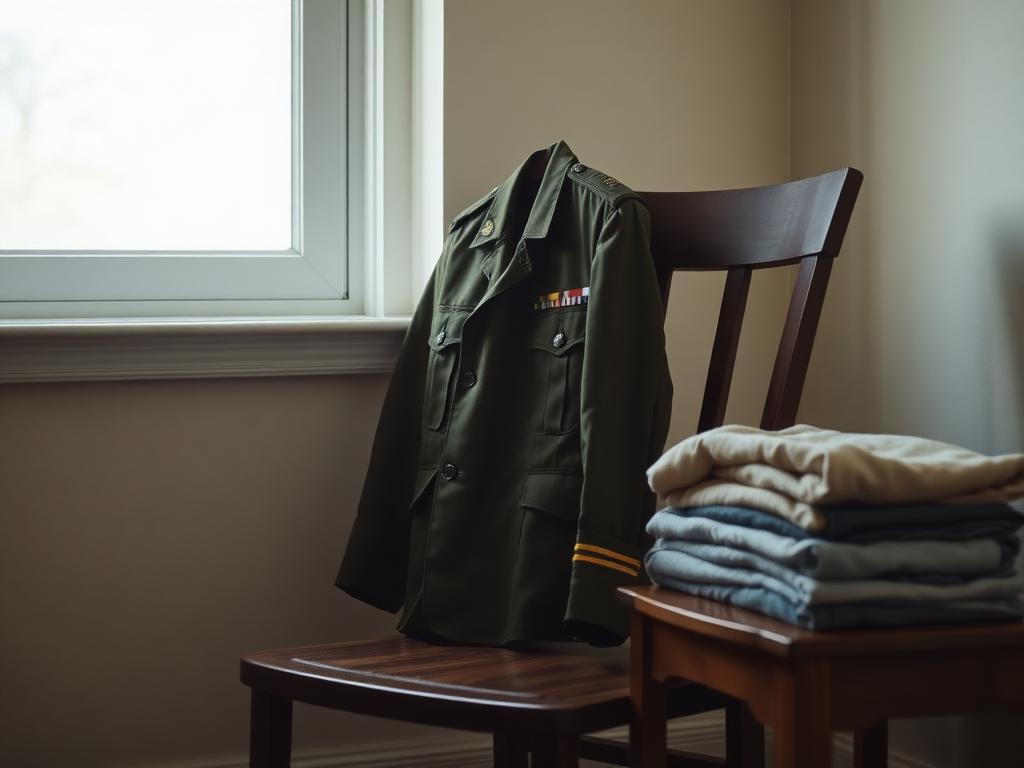
Identity After Injury
Who am I now? The quiet crisis of purpose, masculinity, and mission loss after the uniform comes off — and how to rebuild from the inside out.
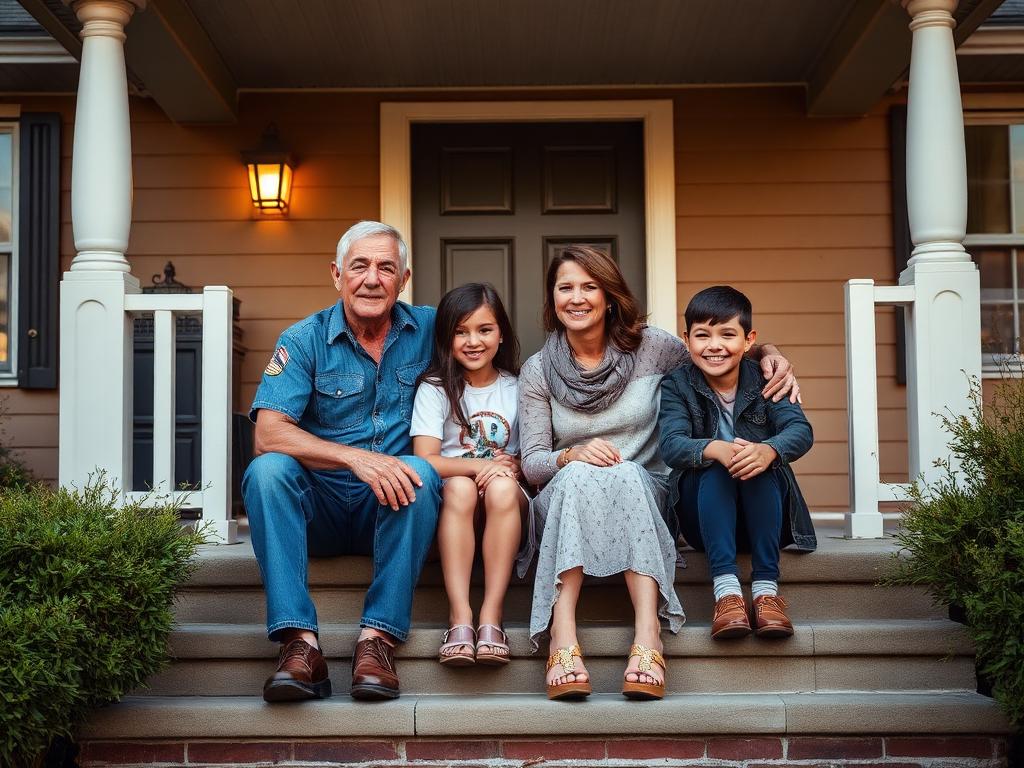
Couples & Family Healing
TBI, PTSD, and moral injury don't happen to one person. Drawing from Victor and Roxana's story — what it takes to heal the whole household.
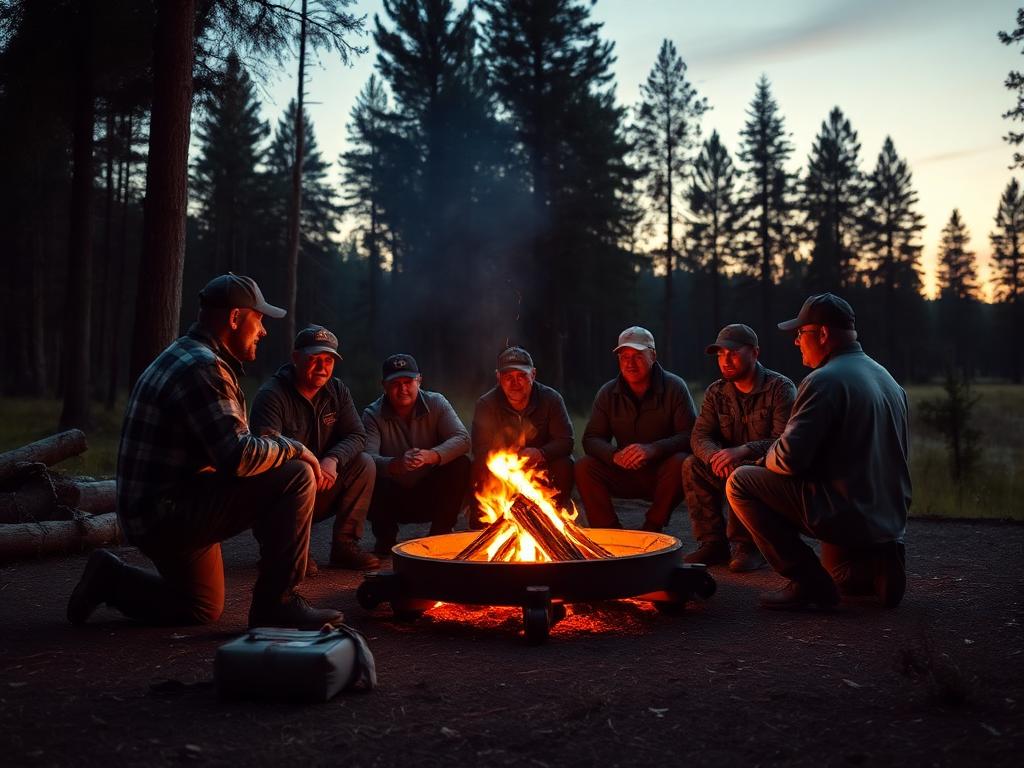
EMDR Intensive for Veterans
A retreat or half-day intensive built for brotherhood events. Structured experience, real clinical work, lasting change in days not years.
Services for veteran organizations & employers.
Thank You for Your Service Is a Comma, Not a Period
Stage talk on veteran identity, transition, and reintegration as high-performance leadership capital.
Veteran Leadership Transition Program
Half-day or full-day program for veteran cohorts, ERGs, and hiring teams.
Organizational Veteran Integration Strategy
Advisory engagement for organizations building veteran leadership pipelines and trauma-informed culture.
A book born from this work.
Thank You for Your Service: Learning to Honor with Heart — 100% of proceeds support veteran mental health.
Read about the book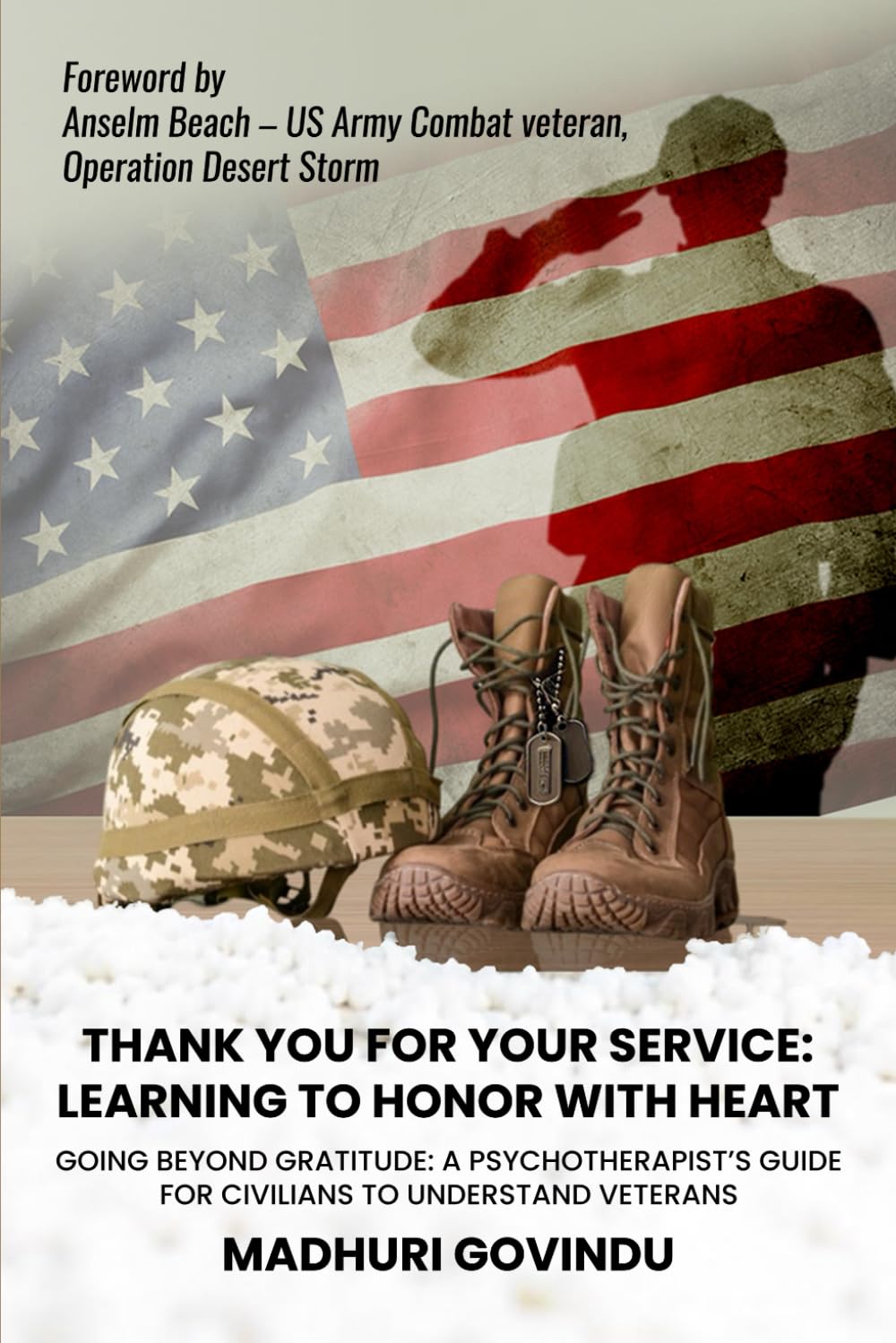
Voices from the field.
On PTSD, CPTSD, EMDR, and finding the way back.
"I was drawn by her intellectual curiosity and earnest desire to learn about Veterans, and the combination of unique experiences that creates a singular pathway that allows Veterans, regardless of their experiences, to connect. What set her apart was her ability to truly listen."
"Madhuri delivered a profound talk on "thank you for your service" and the dichotomy of that statement — I can't wait until her talk is released. Her service to veterans is unmatched. Listen to her."
"I came home carrying stuff I couldn't even put words to. EMDR was the first thing that actually moved the needle. I sleep through the night now. Sounds small. It isn't."
More voices ↓
"It made me a stranger in my own house. My wife saw it before I did. A few months in, my kids tell me I laugh again. No judgment in the room, no rushing — that's what made me stay."
"Years of pile-on stress isn't something most clinicians get. Madhuri does. She never made me feel like the uniform was the problem — she helped me set down what I didn't need to carry."
"I'd been to a few therapists before this. EMDR finally got to something talking couldn't reach. The hypervigilance dropped. I can sit with my back to a door now. Huge for me."
"Coming back to civilian life almost wrecked me harder than deployment did. The work we did helped me translate who I'd been into who I could be. Leading a team now and actually enjoying it."
"This kind of work doesn't unravel in six sessions. What I got here was someone who stayed — through the hard weeks, the avoidance, the breakthroughs. That's what rebuilt something I thought was gone."
"Moral injury was the word I didn't have. Once we named it, EMDR gave me a way through. I stopped drinking to fall asleep. I started calling my battle buddies again."
"I thought EMDR sounded like nonsense — waving fingers at trauma. It's not. It's the most useful clinical work I've come across, and I've tried a lot. I send every vet I know who'll listen."
"The diagnosis felt like a sentence at first. The work here turned it into information. I'm not broken — I'm responding to what happened. That shift, plus EMDR, gave me myself back."
"After almost three decades in, I figured I was past help. Madhuri proved me wrong. The work was done with real respect for where I came from. My grandkids have a grandfather who's actually present now. That's what I wanted."
If you served — or you love someone who did — there's a way through.
Book a consult to talk through what you're carrying, or reach out about a workshop, retreat, or keynote for your unit or organization.