Military Appreciation Month: Beyond 'Thank You for Your Service'
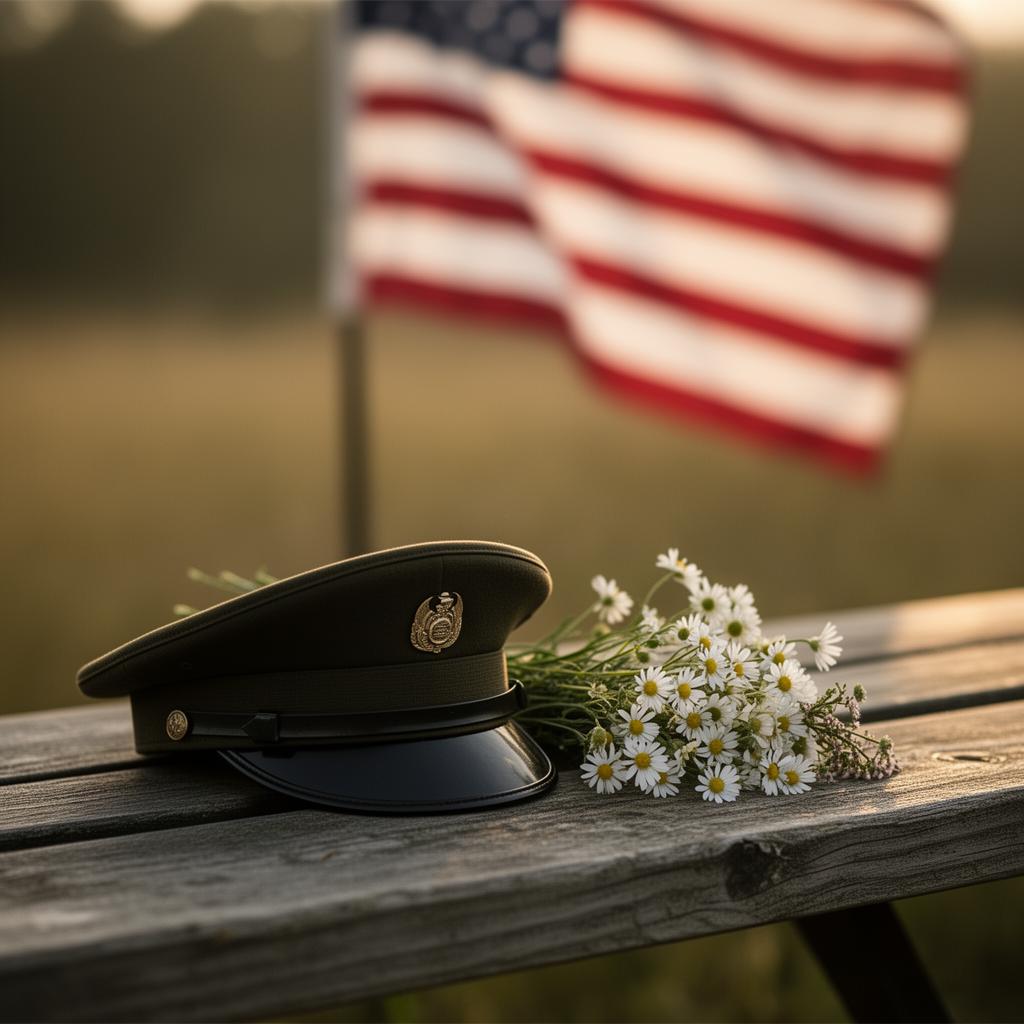
Every May, the country pauses to say thank you.
Flags go up. Discounts roll out. Social posts fill with sepia-toned photographs and four words we have all said at least once: thank you for your service.
I have said them too. I have meant them every time.
And after twenty years of clinical work with veterans and their families, I have also learned this: those four words are a doorway, not a destination.
What appreciation actually asks of us
Appreciation, said well, is an invitation. It says I see you. I want to understand. I am willing to stay in the room.
Appreciation, said poorly, is a transaction. It closes the conversation the moment it opens it. The veteran nods. The civilian feels lighter. And the weight that was carried home from deployment stays exactly where it was.
The veterans I work with rarely ask for parades. They ask for something quieter and far harder:
- A boss who notices when the eyes go somewhere else in a meeting.
- A spouse who stops translating silence as rejection.
- A friend who can sit with a hard story without rushing to fix it.
- A country that funds mental health care the way it funds equipment.
The cost we don't put on the bumper sticker
Twenty-two a day. The number is well known. The lives behind it are not.
Behind that statistic is moral injury — the wound that comes from doing, seeing, or failing to prevent something that violated a deeply held belief. Behind it is post-traumatic stress that does not announce itself for years. Behind it is a family who learned to walk softly around a person they barely recognize anymore. Behind it is a veteran who came home, took off the uniform, and could not figure out who they were underneath.
Appreciation that does not make room for this story is appreciation that asks veterans to keep performing — to be the easy hero, never the complicated human.
Five things you can actually do this month
If you want this Military Appreciation Month to land differently — for the veteran in your life, your team, or your community — try one of these:
- Ask a better question. Replace did you see combat? with what is one thing you wish civilians understood about coming home? Then listen without flinching.
- Learn the language. Read one book, listen to one podcast, sit through one documentary made by veterans about veteran experience. Knowledge is a form of respect.
- Include the family. Spouses, children, and parents serve too. Acknowledge them. The injury rarely stops at one person.
- Hire — and keep — veterans. Hiring is the easy part. Building teams that value mission clarity, after-action review, and direct communication is where most companies fail. Do the harder part.
- Fund the work. If you can, donate to organizations doing real trauma-informed clinical work — EMDR access, couples counseling, reintegration retreats. Small consistent dollars beat one-time grand gestures.
A personal note
I did not grow up in a military family. I came to this work by accident and stayed in it on purpose. What kept me here was not the uniform. It was the quiet courage I kept meeting in the therapy room — the courage to say I am not okay, to a stranger, in a culture that taught them silence was strength.
There is a chapter in my book called Learning to Honor with Heart. I called it that because honoring is a practice, not a feeling. It is something you choose, again and again, especially on the days when it is inconvenient.
This Military Appreciation Month, let us choose it well.
To every veteran reading this — and to every family member who carries the weight alongside you — thank you. Not the easy thank you for your service thank you. The other one. The one that comes with my full attention, my willingness to learn, and my commitment to keep showing up long after May ends.
—
Madhuri Govindu, LPC — Trauma · Veterans · Reintegration. 100% of proceeds from Thank You for Your Service: Learning to Honor with Heart support veteran mental health programs.